
Author: Admin

-

Which Industries Use AI Detection Most? A Comprehensive Overview
Ever wondered, “Which industries use AI detection most?” You’re not alone. AI is changing how businesses work, making tasks easier and faster across sectors like healthcare, finance, and retail. This blog will break it all down with clear examples and facts to guide you. Keep reading to see how AI is shaping the future! Key
-

Are There Industry Standards for AI Detector Accuracy? Exploring the Industry Norms
AI detectors are everywhere now, but how accurate are they? Many tools claim high accuracy, yet there’s no standard to measure them all fairly. This blog will answer the question, “Are there industry standards for AI detector accuracy?” and guide you through key facts and issues. Keep reading to learn what matters most! Key Takeaways
-

Exploring the Ethical Dilemma: Is it Ethical for Companies to Use AI Detection on Employees?
Are workplaces crossing a line with AI surveillance? Companies now use artificial intelligence to track employee behavior, performance, and even emotions. This raises big questions about privacy, fairness, and trust at work. Is it ethical for companies to use AI detection on employees? Keep reading to find out. Key Takeaways The Role of AI in
-

Exploring the Constraints of AI Detectors for Short Texts: What are AI Detector Limits for Short Texts?
Struggling to trust AI detectors for short writing? These tools often falter when analyzing brief texts, leading to false positives or missed detections. This blog breaks down what are AI detector limits for short texts and why they sometimes fail with minimal context. Keep reading to uncover the challenges and solutions! Key Takeaways How AI
-
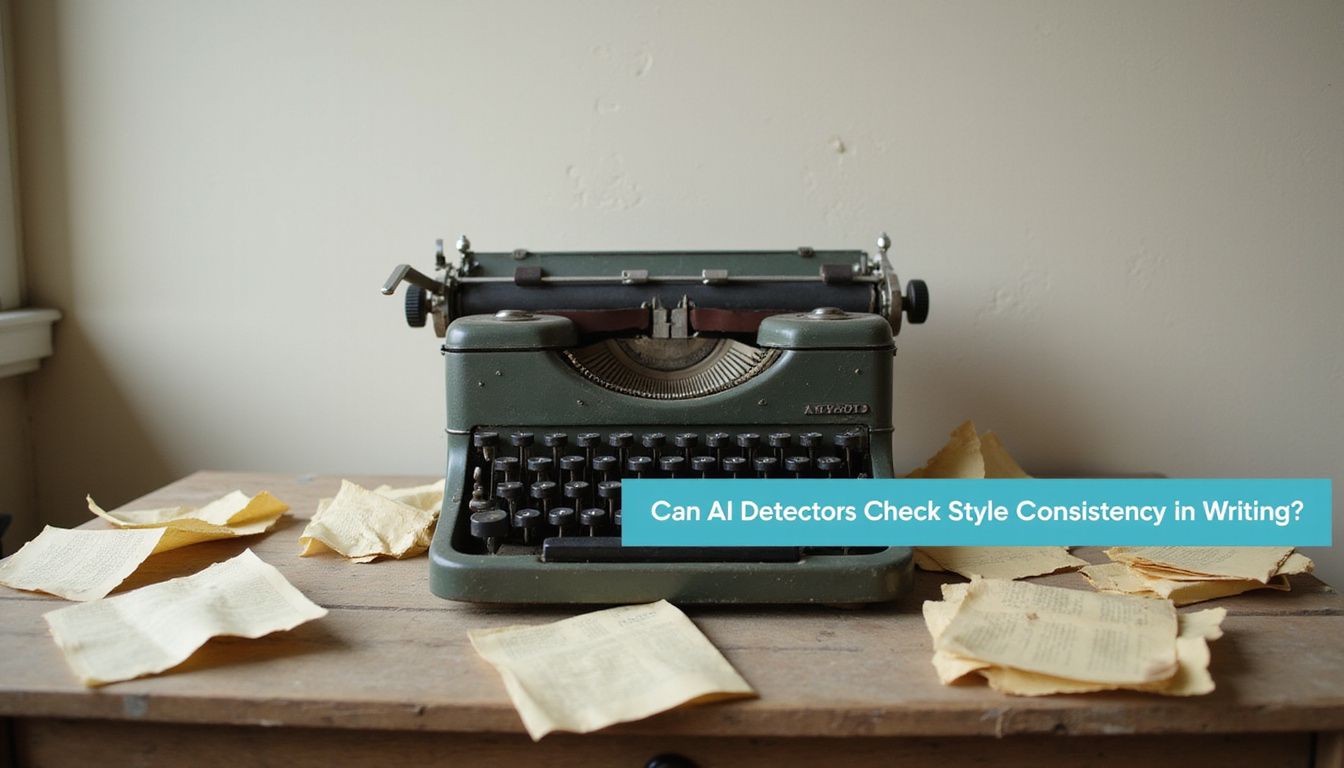
Can AI Detectors Check Style Consistency in Writing?
Struggling to keep your writing style consistent? It’s a common issue, especially with so many tools creating content today. Can AI detectors check style consistency in writing? This blog will explore how these tools work and what they can (and can’t) do. Keep reading to find out! Key Takeaways What Are AI Detectors? AI detectors
-

Will Future LLMs Make AI Detection Impossible? Examining the Unreliability of AI Detection
Are you wondering, “Will future LLMs make AI detection impossible?” You’re not alone—many worry about spotting AI writing as tech improves. Large language models like ChatGPT are getting smarter and harder to catch. In this blog, we’ll explore why current AI detection tools fail and what that means for the future. Stay tuned! Key Takeaways
-

How do AI Detectors Handle Technical and Legal Writing at the Intersection of AI and Legal Writing?
The Role of AI Detectors in Legal and Technical Writing AI detection tools help spot AI-generated content in legal briefs, research papers, and technical writing. Tools like GPTZero and ZeroGPT analyze sentence structure, grammar, and patterns to flag machine-written text. Yet, results often conflict. For example, ZeroGPT identified 83.24% of content as AI-produced while GPTZero
-

Understanding the Impact on Content Integrity: Can AI Outlining Trigger AI Detectors?
Have you ever wondered, “Can AI outlining trigger AI detectors?” Many writers face this issue when creating content with AI tools. AI detectors scan text for patterns that might look automated, sometimes flagging even human writing. This blog will break down why it happens and how to avoid it. Keep reading to protect your work
-

How Do AI Detectors Handle Non-Native English Writing: Assessing Their Impact
Have you ever wondered, “How do AI detectors handle non-native English writing?” Many tools meant to catch AI-generated content often struggle with essays by non-native speakers. This has led to innocent students being flagged for academic dishonesty unfairly. Keep reading to learn why this happens and what can be done about it! Key Takeaways The
-

How Reliable is AI Detection Technology Now? Examining its Reliability
Detecting AI-generated text can feel like trying to spot a needle in a haystack. Some tools, like Turnitin’s AI detection tool, claim to help but often miss the mark. This post will break down how reliable AI detection technology is now and what affects its accuracy. Stick around; the truth might surprise you. Key Takeaways