
Category: Uncategorized
-

What is Turnitin’s AI Detection Threshold for Essays: A Comprehensive Understanding
Struggling to understand what is Turnitin’s AI detection threshold for essays? Many students worry about how their work might be flagged as AI-generated. This blog breaks down Turnitin’s 20% threshold, explaining how it works and what it means for your writing. Keep reading to clear up confusion and avoid surprises! Key Takeaways Understanding Turnitin’s AI
-

Explaining the Difference Between Plagiarism Checkers and AI Detectors
Struggling to figure out the difference between plagiarism checkers and AI detectors? You’re not alone. Plagiarism checkers hunt for copied text, while AI detectors spot machine-made content. This blog breaks it all down in simple terms. Keep reading to clear up the confusion! Key Takeaways How Plagiarism Checkers Work Plagiarism checkers scan text for copied
-

How to Enable Auto-Pause on Spaghetti Detection Creality K2: A Step-by-Step Guide
Tired of messy filament spaghetti ruining your prints? The Creality K2’s auto-pause feature can save you from this headache. This guide will show you how to enable auto-pause on spaghetti detection Creality K2 with simple steps. Stick around, and your prints will thank you! Key Takeaways Enabling Auto-Pause on Spaghetti Detection Activate the auto-pause feature
-

Why Didn’t My Creality Cloud AI Stop or Pause the Print? Troubleshooting the Issue
Ever wondered, “Why didn’t my Creality Cloud AI stop or pause the print?” You’re not alone. Creality Cloud is a fantastic tool, but issues can pop up sometimes. This blog will break down common causes and simple fixes for this problem. Stick around to learn how to get your prints back on track! Key Takeaways
-

Exploring the Misconception: Why Do AI Detectors Think Em Dashes = AI Writing?
Ever wondered why AI detectors think em dashes = AI writing? Some people believe using too many em dashes means a text was written by a machine. This blog will unpack that misconception and explain why this idea is misleading. Keep reading to learn the truth about em dashes in writing! Key Takeaways The Misconception:
-

Understanding the Frustration: Why Was My Essay Flagged for AI Usage When I Wrote It Myself?
Have you ever wondered, “Why was my essay flagged for AI usage when I wrote it myself?” It’s a frustrating and confusing problem many students face. AI detection tools often misjudge well-written work as being generated by artificial intelligence. This post will help explain why that happens and how to fix it. Stick around, this
-

How to Appeal a False Positive AI Plagiarism Report Successfully
Getting flagged for plagiarism by an AI detector can feel frustrating and unfair. Tools like Turnitin’s AI detection have already scanned over 70 million assignments, but they sometimes make mistakes. This blog will guide you on how to appeal a false positive AI plagiarism report with clear steps and tips. Stay calm, there’s hope ahead!
-
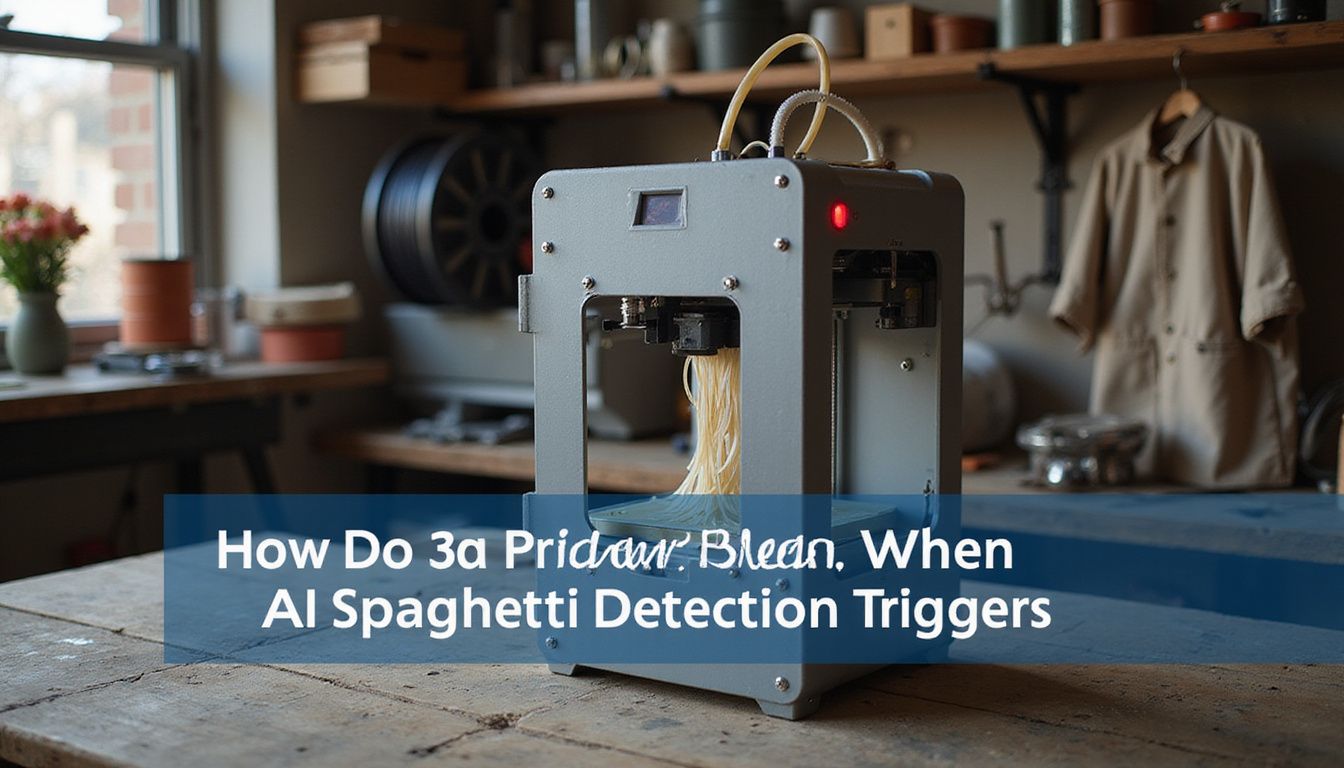
How Do 3D Printers Pause When AI Spaghetti Detection Triggers: A Complete Guide
Ever had a 3D print fail and leave behind a messy blob of plastic? That’s often called “spaghetti,” and AI can now detect it before things get worse. This blog explains how do 3D printers pause when AI spaghetti detection triggers, saving time and materials. Stick around to learn how this smart tech works! Key
-

Can AI Detectors Flag Neurodivergent Writing Styles? The Impact on Neurodivergent Writing Styles.
Ever wonder, can AI detectors flag neurodivergent writing styles? These tools often misjudge how people on the autistic spectrum or with ADHD express ideas. This blog breaks down why this happens and what it means for students. Stick around to uncover the hidden flaws in AI detection systems! Key Takeaways How AI Detectors Work AI
-

A Comprehensive Guide on How Professors Detect AI-Generated Essays
Worried about how professors detect AI-generated essays? These days, many educators use tech tools and sharp eyes to spot writing made by artificial intelligence. This guide breaks down their methods, from AI detectors to style comparisons. Keep reading, because knowing this could save you big trouble! Key Takeaways Why Professors Detect AI in Academic Writing